Studio 54, New York, 26 April 1977
Outside the Velvet Rope
The legend of Studio 54 is a dance floor full of stars. On opening night, the first show was on the sidewalk.
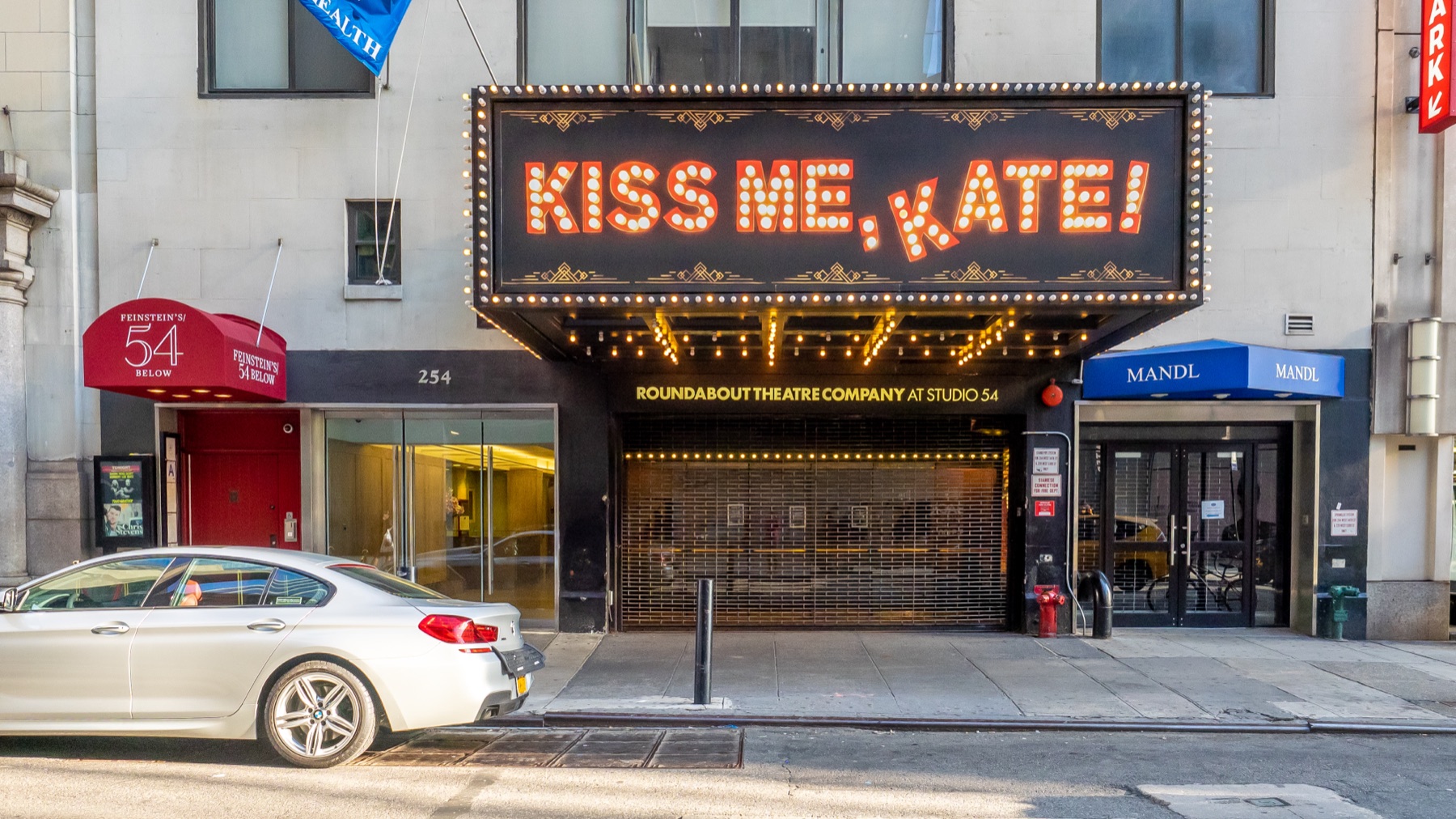
Start on the sidewalk, because that is where the first reports of the night begin.
By the time the doors opened at Studio 54 on Tuesday 26 April 1977, the Washington Post reported, about a hundred limousines were inching east along 54th Street from Eighth Avenue, and more than a thousand "colorfully dressed men and women were crushing against the entrance. Almost as many again pressed to get in at the back of the building." The Post's reporter called it "a mob scene, with all the flash and cash of the 1970s".
The invitation had promised a lot. It was a black card with a big metallic 54, a silver 5 and a gold 4, and it requested "the pleasure of your company" at "the premier of Studio Fifty-Four, Tuesday evening the twenty sixth of April ... at nine o'clock". Under dress, it said only: "attire – spectacular".
Inside, three hours earlier
Now go inside, and back in time. A New York Times reporter, Robert McG. Thomas Jr., toured the building with one of the owners, Steve Rubell, before the doors opened, and the club he found was not quite finished. The waterfall leaked. The last of the furniture arrived three hours before opening. An electrician was afraid that one more light would blow the fuses. Rubell boasted of "400 separate light programs".
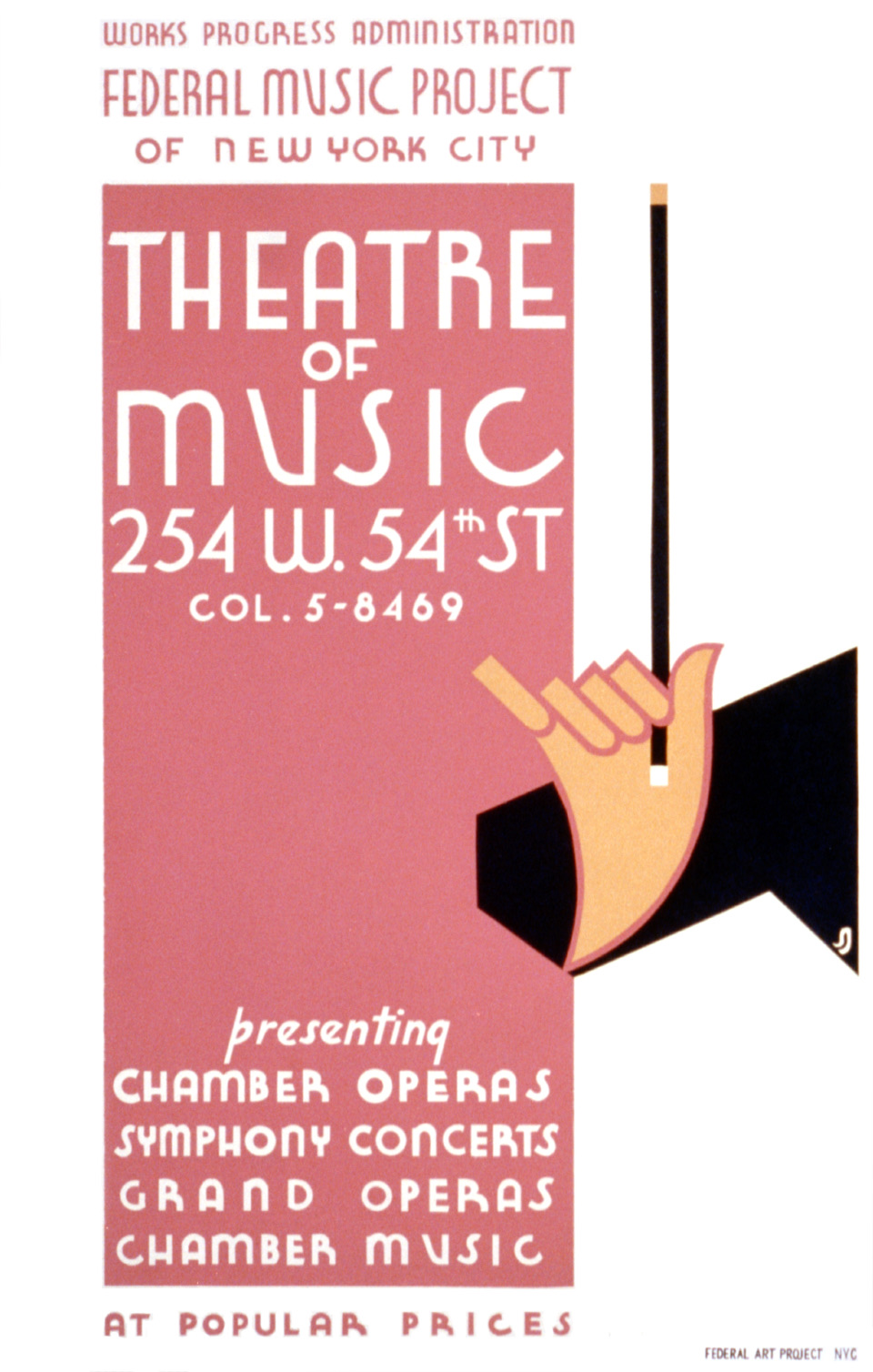
The building was older than the disco. It opened in 1927 as an opera house, was the "Theatre of Music" of the New Deal's Federal Music Project in the late 1930s, and later became a CBS television studio.
The rope
The Times report the next morning reads almost as a corrective to everything that came later. Thomas wrote that "the Vogue lights were soon in place to illuminate the celebrity guests, none of whom had been spotted more than an hour after the scheduled 9 P.M. opening." The music "had been blaring for most of an hour before an appreciable number of patrons, many, bearing special invitations, managed to make their way past the gate checks."
From the street, he noted, the theatre "appeared to be packed to its 2,500 capacity". Inside, at that point, "there were no more than a few hundred". The crowd made the club look full from the outside. For that first hour, at least, the sidewalk was the main event.
Notice what is missing from that report: the figure of Steve Rubell at the velvet rope, pointing at the chosen few. The Times describes "gate checks" of people holding invitations. A photograph from the night shows Rubell not at the door but in the middle of the crush, pushing a guest through. Two years later the Times described Studio 54's admission policy as "so restrictive" from its opening in the spring of 1977, and that is fair as a description of the club. But the image of Rubell playing god at the rope is how the club came to be remembered; the report we have read in full does not put him there on the first night.
The floor
When the party got going, it got going late. According to a photo archive caption, it started about an hour behind schedule, at 10 p.m., with Antonio Lopez's Fiorucci fashion show, danced by members of the Alvin Ailey company. The same caption says the specially invited guests paid $12 to get in.
The columnist Earl Wilson described "a beautifully rebuilt discotheque where 2,500 people can quiver and quake to 'Disco Inferno,' 'My Love is Free' and Thelma Houston's 'Don't Leave Me This Way.'" With people coming and going, he wrote, "the bosses estimated that 4,000 came in during the night." Hyde's figures were similar: about 4,000 admitted, with another thousand or so left outside. Rubell gave the Times his verdict: "I think we have a winner."
Who was in the room? The Post's Nina Hyde named Cher, Tennessee Williams and Margaux Hemingway among the invited, and then reported: "They all came." Photographs dated to opening night show Cher, being steered through the crowd by Rubell; Donald and Ivana Trump; and the singer Grace Jones with the party's promoter, Carmen D'Alessio.
The legend
Some of the famous names outside were reported at the time. Hyde wrote that the columnist James Brady and Warren Beatty gave up on the crowd, and passed on that Frank Sinatra and his wife had done the same, "if you believe the flacks". In her account they gave up; she does not say anyone at the door turned them away.
Much of the rest of the legend was told later, some of it much later. The fuller turn-away stories (Sinatra stuck in his limousine, Henry Winkler, Jack Nicholson, even Mick Jagger) come from retellings given twenty years and more after the night, and they disagree with each other. One later account has Beatty failing to get in; another has him "coming by". Winkler is both turned away and let in, depending on who is telling it.
The most famous Studio 54 image of all is not from opening night. Bianca Jagger on a white horse was her birthday party, on Monday 2 May 1977, six nights later. Even that picture has been embroidered: in 2015 she wrote that she never rode into the club. "It is one thing to, on the spur of the moment, to get on a horse in a nightclub," she said, "but it is quite another to ride in on one."
The New Year's Eve party and the first-anniversary night with Halston and Liza Minnelli came later still. Even the man in the moon with his spoon cannot be placed there on the first Tuesday: nobody has dated when it was first hung. Within a month the head of the State Liquor Authority had stopped the music. Within five weeks the Times was reporting a $75 membership and free licorice sticks "draped around a bust of Nefertiti".
The legend of Studio 54 is a room full of stars. The first reports of its first night start somewhere else: a half-finished building, a leaking waterfall, photographers' lights waiting for celebrities who had not yet arrived, and a thousand people outside pushing to get in.
The Record
- Contemporary reports. Robert McG. Thomas Jr., "Discotheque Opens Despite Its Leaking Waterfall", New York Times, 27 April 1977, p. 26 (the reporter was there): the unfinished club, the light programs, the missing celebrities, the gate checks, the capacity and the crowd inside, and Rubell's verdict. Nina S. Hyde, "The Crush of Flash, Cash and Fashion", Washington Post, 28 April 1977: the limousines and the crowds. Hyde also names guests (Cher, Tennessee Williams, Margaux Hemingway) and the people who gave up on the crowd (James Brady, Warren Beatty and, "if you believe the flacks", Frank Sinatra and his wife), and estimates about 4,000 admitted. Beyond the opening paragraph, which we quote, we have paraphrased it from an indexed full-text copy. Earl Wilson's New York Post column of 27 April 1977, as quoted in the New York Post in 2001: the playlist and the 4,000 estimate.
- The following weeks. "Liquor Authority Head Stops Discotheque's Music", New York Times, 22 May 1977; "The New Discos: Life Begins at Midnight", New York Times, 1 June 1977; Jesse Kornbluth, "Merchandizing Disco for the Masses", New York Times, 18 February 1979, on the door policy.
- The invitation. Museum of Pop Culture, Invitation for Studio 54 Premiere Party, object 2002.214.78.
- Photographs. Opening-night photographs of Cher and Rubell, the Trumps, and Grace Jones with Carmen D'Alessio are held by Getty Images (Fairchild Archive/WWD and Sonia Moskowitz). Their archive captions, written when the images were digitized, are our source for the 10 p.m. start, the Fiorucci show and the $12 admission. The poster above is in the Library of Congress WPA Poster Collection. The lead photograph is "Studio 54" by Ajay Suresh, 2019, licensed under CC BY 2.0.
- Later retellings. Bob Colacello, "Anything Went", Vanity Fair, March 1996; Joanne Horowitz, "How I Filled Studio 54 With Stars", Hollywood Reporter, 2012; Anthony Haden-Guest, "The Opening Night of Studio 54...", Daily Beast, 2015, and his book The Last Party (1997); Rolling Stone, 2017. These are the sources for the best-known turn-away stories and most of the opening-night lore. They rely on interviews given twenty or more years later.
- The horse. The agency record for Robin Platzer's photograph dates it 2 May 1977, Bianca Jagger's birthday. Her own account is in The Guardian, 25 April 2015.
- What is uncertain. The Post's list of guests is contemporary reporting, not independent proof that each person attended; its account of Sinatra comes with the reporter's own warning about publicists. The cost of the conversion is given both as $1.1 million (a spokesman, 1977) and as $400,000. Who worked the door on 26 April, Rubell or the doorman Marc Benecke, is not established. One photograph of Grace Jones and Carmen D'Alessio is captioned 27 April, which may simply mean after midnight.
- Disputed anecdotes. An 11-year-old Brooke Shields is often placed at the opening, but only in later accounts. So are the first record ("Devil's Gun"), the candles bought when the bar lights failed, the Trumps being first through the door, and a Quaalude-fuelled scene in the street crowd. The later accounts of which stars were turned away go well beyond what was reported in 1977, and contradict each other. The moon-and-spoon set has not been dated to opening night.


Steal This Idea
Borrow the real card: a black invitation, the time printed as 9 p.m., and a one-line dress code, "attire: spectacular". Then start an hour late, the way Studio 54 did, with a floor show: a five-minute runway walked or danced by your most willing friends. Build a flash-photo corner, one hard flash against a black backdrop, because on opening night the photographers were part of the show. Play "Disco Inferno", "My Love Is Free" and "Don't Leave Me This Way", the songs the papers heard that night. Skip the rope: the Times report of opening night mentions only gate checks.